
Wind Substation Equipment: Essential Components for Reliable Wind Power Transmission
The following is the table of contents for this article.
Thanks for sharing the article.
Why Wind Substations Are Critical to Wind Energy Projects
Wind turbines generate electricity, but efficient power transmission depends on much more than the turbines themselves. Before electricity can enter the utility grid, it must be collected, protected, transformed, and controlled within a substation. This makes wind substation equipment a vital part of every wind energy project.
Whether serving an onshore wind farm or an offshore installation, a well-designed substation ensures reliable grid connection, minimizes electrical losses, and protects valuable assets from faults and abnormal operating conditions. As wind farms increase in capacity, substations are becoming more intelligent, compact, and capable of supporting digital grid management.
For utilities, EPC contractors, renewable energy developers, and equipment distributors, selecting dependable substation equipment is essential for achieving long-term operational reliability.
What Is Wind Substation Equipment?
Wind substation equipment includes the electrical systems used to collect, transform, protect, and distribute electricity generated by wind turbines before it is transmitted to the utility network.
A typical wind substation consists of:
- Medium-voltage switchgear
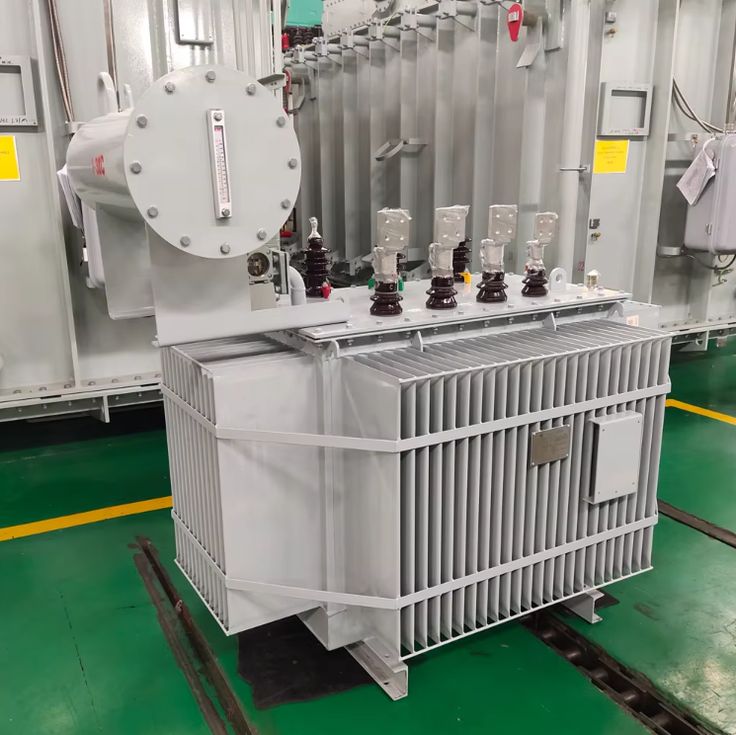
- Power transformers
- Vacuum circuit breakers
- Ring main units (RMUs)
- Protection and control panels
- Busbars
- Instrument transformers
- Surge arresters
- SCADA and communication systems
- Auxiliary power equipment
Together, these components ensure safe and efficient operation throughout the power transmission process.
Key Components of a Wind Substation
Each piece of equipment performs a specific role in maintaining system reliability.
Medium-Voltage Switchgear
Medium-voltage switchgear protects feeder circuits, transformer connections, and outgoing lines. It enables fault isolation, operational switching, and equipment maintenance while maintaining system continuity.
Modern switchgear increasingly incorporates vacuum interruption technology, digital protection relays, and SF₆-free insulation options to improve reliability and environmental performance.
Power Transformers
Transformers increase voltage from the wind turbine collection system to transmission levels suitable for long-distance power delivery. High-efficiency transformer designs help minimize energy losses.
Vacuum Circuit Breakers
Vacuum circuit breakers rapidly interrupt fault currents, protecting transformers, cables, and other substation equipment. Their long service life and low maintenance requirements make them well suited for renewable energy applications.
Ring Main Units (RMUs)
RMUs provide flexible feeder configurations and improve service continuity by allowing sections of the network to be isolated without affecting the entire wind farm.
Protection and Control Systems
Digital relays continuously monitor electrical parameters, detect abnormal conditions, and coordinate protective actions to safeguard equipment and maintain grid stability.
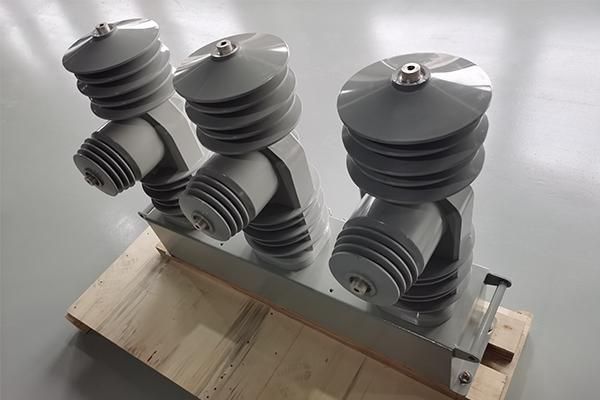
Wind substation equipment installed in an onshore wind farm
Technical Requirements for Wind Substation Equipment
Wind substations often operate in harsh environments, making equipment durability a key consideration.
Important technical requirements include:
- Compliance with IEC standards
- High short-circuit withstand capability
- Reliable insulation performance
- Internal arc protection
- Corrosion-resistant construction
- Wide operating temperature range
- Seismic resistance where applicable
- Remote monitoring compatibility
These features help ensure dependable operation throughout the substation’s service life.
Supporting Smart Wind Substations
Digitalization is transforming the way substations are operated and maintained.
Modern wind substation equipment can support:
- SCADA integration
- Remote switching operations
- Online condition monitoring
- Fault recording
- Predictive maintenance
- Power quality analysis
- Asset management systems
These technologies improve operational visibility while reducing maintenance costs and unplanned outages.
How to Select Wind Substation Equipment
Choosing the right equipment requires balancing technical performance, project requirements, and lifecycle costs.
Consider the following factors:
Project Capacity
Substation design depends on the installed generation capacity and future expansion plans.
Environmental Conditions
Coastal, offshore, desert, and mountainous installations require equipment designed to withstand local environmental challenges.
Grid Code Compliance
Equipment must satisfy utility interconnection requirements, protection coordination, and communication standards.
Lifecycle Costs
High-quality equipment with long service intervals helps reduce maintenance expenses over decades of operation.
Manufacturer Expertise
Suppliers with renewable energy experience can provide engineering support, customized solutions, and reliable after-sales service.
Applications Beyond Wind Farms
Many types of wind substation equipment are also used in:
- Solar power substations
- Battery energy storage systems (BESS)
- Hybrid renewable energy plants
- Utility distribution substations
- Industrial power distribution systems
- Microgrid projects
Their versatility makes them suitable for a broad range of medium-voltage applications.
Frequently Asked Questions
What is wind substation equipment?
Wind substation equipment includes the electrical systems used to collect, transform, protect, and distribute electricity generated by wind turbines before it is transmitted to the utility grid.
What equipment is commonly installed in a wind substation?
Typical equipment includes medium-voltage switchgear, power transformers, vacuum circuit breakers, ring main units, protection relays, busbars, surge arresters, and SCADA systems.
Why are vacuum circuit breakers widely used in wind substations?
They provide fast fault interruption, long service life, low maintenance, and reliable performance in medium-voltage renewable energy applications.
Can wind substation equipment support digital substations?
Yes. Modern equipment supports SCADA communication, remote operation, condition monitoring, and predictive maintenance.
What should buyers consider when selecting wind substation equipment?
Important factors include IEC compliance, equipment quality, environmental suitability, engineering support, manufacturer experience, and long-term technical service.
Building Reliable Wind Power Infrastructure
Efficient wind energy generation depends on more than turbines—it requires dependable electrical infrastructure capable of protecting equipment, maintaining grid stability, and supporting long-term operation. Wind substation equipment forms the backbone of this infrastructure by integrating switching, transformation, protection, and control into a reliable medium-voltage system.
For renewable energy developers, EPC contractors, utilities, and equipment distributors, investing in high-quality wind substation equipment helps ensure efficient power transmission, simplified maintenance, and dependable performance throughout the lifecycle of modern wind energy projects.

Wind Substation Equipment: Types, Functions, and Selection Guide
Wind substation equipment plays a critical role in collecting, transforming, protecting, and transmitting electricity generated by wind turbines. From medium-voltage (MV) switchgear and power transformers to high-voltage (HV) equipment, protection [...]

Solar Farm Switchgear: Selection, Design, and Application Guide
Solar farm switchgear is an essential part of the electrical infrastructure used to collect, control, protect, and distribute power generated by photovoltaic (PV) systems. From inverter output circuits and transformer [...]

Future-Proof Switchgear: Design, Selection, and Long-Term Reliability
Future-proof switchgear is designed and selected to accommodate changing electrical loads, evolving technologies, operational requirements, and future expansion with minimal disruption. For industrial facilities, commercial buildings, utilities, renewable energy projects, [...]