

Industrial Electrical System: The Foundation of Modern Industrial Operations
The following is the table of contents for this article.
Thanks for sharing the article.
Introduction
An industrial electrical system is the backbone of manufacturing plants, processing facilities, mining operations, and other industrial environments. It provides the infrastructure necessary to generate, distribute, control, and protect electrical power required for industrial equipment and production processes.
As industries continue to automate and expand, electrical systems must deliver reliable, efficient, and safe power to support continuous operations. Modern industrial electrical systems incorporate advanced technologies such as medium voltage switchgear, transformers, vacuum circuit breakers, motor control centers, and digital monitoring platforms to improve productivity and reduce downtime.
A well-designed industrial electrical system not only ensures operational reliability but also enhances safety, energy efficiency, and long-term cost savings.
What Is an Industrial Electrical System?
An industrial electrical system is a network of electrical equipment and components designed to supply, distribute, monitor, and protect power within an industrial facility.
Its primary functions include:
- Power distribution
- Equipment protection
- Motor control
- Energy management
- System monitoring
- Operational safety
Industrial electrical systems support everything from lighting and HVAC systems to heavy machinery and automated production lines.

Industrial electrical system with medium voltage switchgear and transformers
Main Components of an Industrial Electrical System
Power Supply and Utility Connection
The system receives electricity from the utility grid or on-site power generation sources.
Transformers
Transformers adjust voltage levels for efficient power distribution.
Common types include:
- Power transformers
- Distribution transformers
- Dry-type transformers
- Oil-immersed transformers
Medium Voltage Switchgear
Controls and protects medium-voltage electrical circuits.
Circuit Breakers
Provide protection against overloads and short circuits.
Common options include:
Motor Control Centers (MCCs)
Manage industrial motors and process equipment.
Protection Relays
Monitor system conditions and initiate protective actions.
How an Industrial Electrical System Works
Step 1: Power Intake
Electricity enters the facility from the utility grid or local generation source.
Step 2: Voltage Transformation
Transformers adjust voltage levels based on operational requirements.
Step 3: Power Distribution
Switchgear and busbar systems distribute electricity throughout the facility.
Step 4: Equipment Operation
Power is supplied to machinery, motors, lighting, and control systems.
Step 5: Monitoring and Protection
Protection devices continuously monitor system performance and respond to faults.
Types of Industrial Electrical Systems
Medium Voltage Distribution Systems
Typically operate between 3.6kV and 40.5kV.
Used for:
- Large manufacturing plants
- Mining facilities
- Petrochemical complexes
Low Voltage Distribution Systems
Supply power to lighting, control systems, and smaller equipment.
Backup Power Systems
Include generators and uninterruptible power supplies (UPS).
Renewable Energy Integration Systems
Support solar and energy storage installations.
Applications of Industrial Electrical Systems
Manufacturing Plants
Power production lines, automation systems, and heavy machinery.
Mining Operations
Support extraction equipment and processing facilities.
Oil and Gas Facilities
Provide power for drilling, refining, and processing operations.
Steel and Metal Processing Plants
Support high-energy industrial processes.
Food and Beverage Facilities
Ensure continuous operation of production and packaging equipment.
Data Centers
Provide reliable power for critical IT infrastructure.
Benefits of a Modern Industrial Electrical System
Reliable Power Supply
Minimizes downtime and production interruptions.
Improved Safety
Protects personnel and equipment from electrical hazards.
Enhanced Energy Efficiency
Reduces operational costs through optimized power management.
Scalability
Supports facility expansion and increased production capacity.
Automation Integration
Enables smart manufacturing and Industry 4.0 applications.
Predictive Maintenance
Advanced monitoring systems help identify issues before failures occur.
Key Equipment Used in Industrial Electrical Systems
Medium Voltage Switchgear
Provides switching, protection, and control functions.
Vacuum Circuit Breakers
Offer reliable fault interruption with minimal maintenance.
Ring Main Units (RMUs)
Support compact and efficient power distribution.
Power Transformers
Manage voltage conversion throughout the facility.
Motor Starters and Drives
Control motor speed and operation.
SCADA Systems
Enable centralized monitoring and control.
Industrial Electrical System Voltage Levels
| Voltage Level | Typical Range | Application |
|---|---|---|
| High Voltage | Above 35kV | Utility connections |
| Medium Voltage | 3.6kV–35kV | Industrial distribution |
| Low Voltage | Below 1kV | Equipment and lighting |
The appropriate voltage level depends on facility size and power demand.
Industrial Electrical System vs Commercial Electrical System
| Feature | Industrial Electrical System | Commercial Electrical System |
|---|---|---|
| Power Demand | Very High | Moderate |
| Equipment Complexity | High | Moderate |
| Voltage Levels | Medium & High Voltage | Primarily Low Voltage |
| Automation Requirements | Extensive | Limited |
| Reliability Requirements | Critical | Important |
Industrial systems are designed for heavier loads and continuous operation.
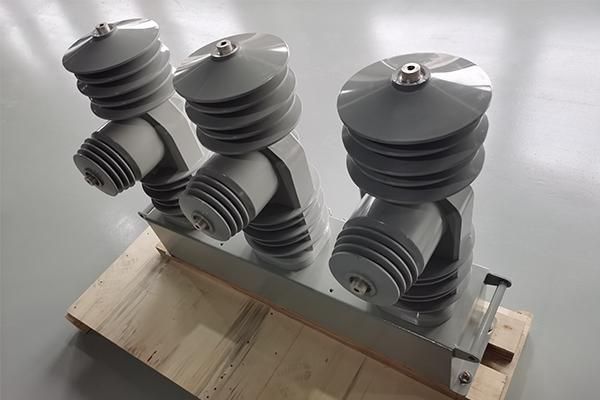
Industrial electrical system with medium voltage switchgear and transformers
How to Design an Effective Industrial Electrical System
Assess Power Requirements
Determine current and future load demands.
Select Appropriate Equipment
Choose transformers, switchgear, and protection systems based on operational needs.
Ensure Compliance
Follow applicable IEC, IEEE, and local regulations.
Implement Monitoring Systems
Real-time monitoring improves reliability and maintenance planning.
Plan for Expansion
Design the system to accommodate future growth.
Future Trends in Industrial Electrical Systems
Smart Factory Integration
Electrical systems are becoming increasingly connected and automated.
Digital Monitoring
IoT and sensor technologies improve visibility and control.
Renewable Energy Adoption
Industrial facilities are integrating solar and energy storage systems.
Energy Efficiency Improvements
Advanced equipment reduces energy consumption.
SF6-Free Power Distribution
Environmentally friendly switchgear solutions are gaining popularity.
FAQs
What is an industrial electrical system?
An industrial electrical system is a network of equipment used to distribute, control, and protect electrical power within industrial facilities.
What are the main components of an industrial electrical system?
Transformers, switchgear, circuit breakers, motor control centers, protection relays, and monitoring systems.
Why is an industrial electrical system important?
It ensures reliable power supply, operational safety, and efficient production processes.
Which industries use industrial electrical systems?
Manufacturing, mining, oil and gas, steel production, food processing, and data centers.
What voltage levels are used in industrial electrical systems?
Typically low voltage, medium voltage, and occasionally high voltage depending on facility requirements.
How can industrial electrical systems improve efficiency?
Through energy management, automation, predictive maintenance, and advanced monitoring technologies.
Conclusion
An industrial electrical system is a critical foundation for modern industrial operations, providing the power infrastructure necessary for safe, efficient, and reliable production. By integrating advanced switchgear, transformers, circuit breakers, and digital monitoring technologies, industrial facilities can improve productivity, reduce downtime, and support long-term growth.
As industries continue embracing automation, renewable energy, and smart manufacturing, industrial electrical systems will remain central to operational success and sustainable development.

Wind Substation Equipment: Types, Functions, and Selection Guide
Wind substation equipment plays a critical role in collecting, transforming, protecting, and transmitting electricity generated by wind turbines. From medium-voltage (MV) switchgear and power transformers to high-voltage (HV) equipment, protection [...]

Solar Farm Switchgear: Selection, Design, and Application Guide
Solar farm switchgear is an essential part of the electrical infrastructure used to collect, control, protect, and distribute power generated by photovoltaic (PV) systems. From inverter output circuits and transformer [...]

Future-Proof Switchgear: Design, Selection, and Long-Term Reliability
Future-proof switchgear is designed and selected to accommodate changing electrical loads, evolving technologies, operational requirements, and future expansion with minimal disruption. For industrial facilities, commercial buildings, utilities, renewable energy projects, [...]