
Ring Main Unit Switchgear: Ensuring Reliable Medium-Voltage Power Distribution
The following is the table of contents for this article.
Thanks for sharing the article.
Introduction
Ring main unit switchgear is a compact medium-voltage switching solution designed to provide safe, reliable, and uninterrupted power distribution. Commonly installed in utility networks, industrial facilities, commercial buildings, and renewable energy projects, ring main units (RMUs) help maintain continuous electricity supply by allowing power to flow through a ring network even when faults occur.
Modern ring main unit switchgear combines advanced technologies such as vacuum circuit breakers, load break switches, digital protection relays, and SF₆-free insulation systems to improve operational safety, reduce maintenance requirements, and support sustainable power infrastructure.
As electrical distribution systems become smarter and more environmentally conscious, ring main unit switchgear remains one of the most efficient solutions for medium-voltage applications.
What Is Ring Main Unit Switchgear?
Ring main unit switchgear is a factory-assembled, metal-enclosed medium-voltage switchgear system used in ring distribution networks to control, protect, and isolate electrical circuits.
Its primary functions include:
- Power distribution
- Load switching
- Fault isolation
- Circuit protection
- Network continuity
- Equipment safety
RMUs are designed to ensure uninterrupted service by allowing electricity to reach loads from multiple directions within a ring network.
How Ring Main Unit Switchgear Works
Ring main unit switchgear operates within a closed-loop distribution network to improve supply reliability.
Power Distribution
Electricity enters the RMU through incoming feeders connected in a ring configuration.
Continuous Monitoring
Protection relays monitor current, voltage, and network conditions.
Fault Detection
When an electrical fault occurs, the protection system identifies the affected section.
Circuit Isolation
Load break switches or vacuum circuit breakers isolate the faulted feeder.
Maintaining Power Supply
Power continues to reach unaffected sections through the alternate side of the ring, minimizing service interruptions.
This configuration significantly improves network reliability and operational flexibility.
Main Components of Ring Main Unit Switchgear
Vacuum Circuit Breaker (VCB)
Provides reliable fault interruption and protection.
Load Break Switch (LBS)
Enables safe switching of normal load currents.
Busbar System
Transfers electrical power between incoming and outgoing feeders.
Protection Relays
Monitor electrical conditions and control switching operations.
Current and Voltage Transformers
Supply measurement signals for protection and metering.
Insulation System
Modern RMUs may utilize:
- Solid insulation
- Dry air insulation
- Clean air insulation
- SF₆-free insulation technologies
Types of Ring Main Unit Switchgear
Vacuum Ring Main Unit
Uses vacuum circuit breakers for fault interruption.
Solid Insulated RMU
Employs epoxy resin insulation instead of gas insulation.
Dry Air Insulated RMU
Uses purified dry air as the insulating medium.
Gas Insulated RMU
Provides compact design using sealed gas-insulated compartments.
Smart Ring Main Unit
Integrates digital monitoring, communication, and automation for smart grid applications.
Advantages of Ring Main Unit Switchgear
High Power Supply Reliability
Maintains electricity supply through alternative feeder paths during faults.
Compact Design
Requires minimal installation space.
Enhanced Operational Safety
Metal-enclosed construction improves personnel protection.
Low Maintenance Requirements
Vacuum switching technology reduces servicing needs.
Flexible Network Configuration
Supports easy expansion and future system upgrades.
Environmentally Friendly Options
Modern SF₆-free RMUs reduce greenhouse gas emissions.
Applications of Ring Main Unit Switchgear
Utility Distribution Networks
Used extensively in urban and rural medium-voltage distribution systems.
Industrial Facilities
Provides reliable electrical distribution for manufacturing plants, mining operations, and petrochemical facilities.
Renewable Energy Projects
Commonly installed in:
Commercial Buildings
Supports hospitals, airports, shopping centers, and data centers.
Infrastructure Projects
Applied in railways, metro systems, ports, and public utilities.
Ring Main Unit Switchgear vs Conventional Switchgear
| Feature | Ring Main Unit Switchgear | Conventional Switchgear |
|---|---|---|
| Network Configuration | Ring Network | Radial Network |
| Supply Reliability | Excellent | Good |
| Installation Space | Compact | Larger |
| Fault Isolation | Fast | Standard |
| Operational Flexibility | High | Moderate |
| Service Continuity | Excellent | Moderate |
Ring main unit switchgear provides superior reliability by maintaining power supply through multiple network paths.
Voltage Ratings of Ring Main Unit Switchgear
Common voltage classes include:
| Rated Voltage | Typical Applications |
|---|---|
| 12kV | Commercial and industrial distribution |
| 24kV | Utility substations and renewable energy |
| 36kV | Regional distribution systems |
| 40.5kV | Heavy industrial applications |
The appropriate voltage rating depends on network design and project requirements.

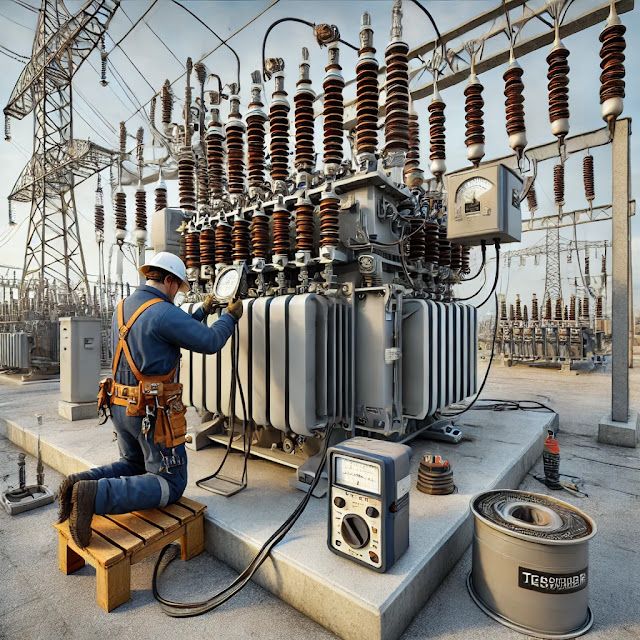
Ring main unit switchgear installed in a medium voltage distribution substation
How to Choose Ring Main Unit Switchgear
Determine Voltage Requirements
Select equipment that matches the operating voltage of the electrical network.
Choose the Appropriate Insulation Technology
Options include solid insulation, dry air insulation, gas insulation, and other SF₆-free alternatives.
Evaluate Protection Requirements
Review breaker ratings, relay functions, and fault interruption capacity.
Consider Installation Environment
Assess indoor, outdoor, coastal, or industrial operating conditions.
Verify Compliance with International Standards
Ensure products comply with recognized IEC standards.
Partner with an Experienced Manufacturer
Choose a supplier with proven engineering expertise, quality testing, and reliable technical support.
Key Standards for Ring Main Unit Switchgear
Leading manufacturers typically design RMUs according to:
- IEC 62271 Series
- IEC 60529
- IEC 60044
- ISO 9001
- ISO 14001
- ISO 45001
Compliance ensures product safety, reliability, and long-term performance.
Future Trends in Ring Main Unit Switchgear
Expansion of SF₆-Free RMUs
Utilities are replacing conventional gas-insulated equipment with environmentally friendly alternatives.
Smart Grid Integration
Digital monitoring enables remote operation and predictive maintenance.
Compact Modular Designs
Manufacturers continue reducing equipment size while improving flexibility.
Renewable Energy Growth
Solar, wind, and battery storage projects continue driving demand for advanced RMUs.
Digital Protection and Automation
Intelligent relays and communication systems improve distribution network efficiency.
FAQs
What is ring main unit switchgear?
Ring main unit switchgear is a compact medium-voltage switchgear system designed to distribute, protect, and isolate electrical circuits within ring distribution networks.
What are the advantages of ring main unit switchgear?
Its benefits include high supply reliability, compact size, fast fault isolation, low maintenance, operational flexibility, and support for continuous power distribution.
Where is ring main unit switchgear commonly used?
It is widely used in utility distribution networks, industrial facilities, renewable energy projects, commercial buildings, and infrastructure developments.
What is the difference between an RMU and conventional switchgear?
An RMU operates within a ring network, allowing power to be supplied from multiple directions, while conventional switchgear is often used in radial distribution systems.
Are modern ring main units available as SF₆-free solutions?
Yes. Many manufacturers now offer RMUs with solid insulation, dry air insulation, or other environmentally friendly technologies that eliminate the need for SF₆ gas.
How do I choose the right ring main unit switchgear?
Consider voltage rating, insulation technology, protection features, installation environment, IEC compliance, and the manufacturer’s technical experience.
Conclusion
Ring main unit switchgear is a key component of modern medium-voltage distribution networks, delivering reliable power supply, compact installation, and efficient fault management. Whether used in utility substations, industrial facilities, renewable energy plants, or commercial infrastructure, RMUs help improve network reliability while reducing maintenance and operational costs.
With the growing adoption of smart grid technologies and SF₆-free insulation systems, ring main unit switchgear will continue to play a central role in building safer, more sustainable, and more resilient electrical distribution networks.

Wind Substation Equipment: Types, Functions, and Selection Guide
Wind substation equipment plays a critical role in collecting, transforming, protecting, and transmitting electricity generated by wind turbines. From medium-voltage (MV) switchgear and power transformers to high-voltage (HV) equipment, protection [...]

Solar Farm Switchgear: Selection, Design, and Application Guide
Solar farm switchgear is an essential part of the electrical infrastructure used to collect, control, protect, and distribute power generated by photovoltaic (PV) systems. From inverter output circuits and transformer [...]

Future-Proof Switchgear: Design, Selection, and Long-Term Reliability
Future-proof switchgear is designed and selected to accommodate changing electrical loads, evolving technologies, operational requirements, and future expansion with minimal disruption. For industrial facilities, commercial buildings, utilities, renewable energy projects, [...]