
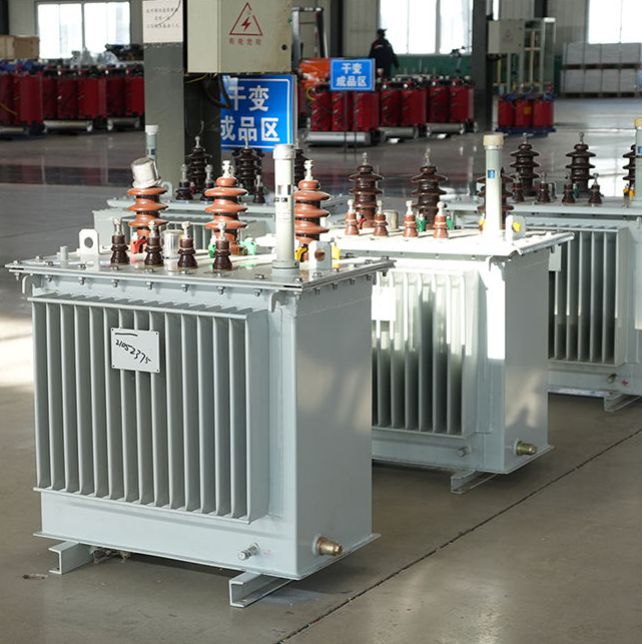
Power Distribution Transformer: The Key to Efficient Electrical Networks
The following is the table of contents for this article.
Thanks for sharing the article.
Introduction
A power distribution transformer is a vital component in modern electrical infrastructure, responsible for delivering electricity safely and efficiently from utility networks to commercial, industrial, and residential users. As the final voltage transformation stage before electricity reaches end-use equipment, a power distribution transformer plays a crucial role in maintaining power quality, system reliability, and energy efficiency.
With growing global demand for electricity and the rapid expansion of renewable energy projects, the importance of reliable distribution transformers has never been greater. Utilities, industries, and infrastructure developers rely on advanced transformer technology to ensure continuous power supply while minimizing energy losses.
What Is a Power Distribution Transformer?
A power distribution transformer is an electrical device that converts medium-voltage electricity from distribution networks into lower voltages suitable for end users. It operates through electromagnetic induction, transferring electrical energy between circuits while maintaining isolation and efficiency.
Distribution transformers are typically installed close to load centers, such as:
- Residential neighborhoods
- Commercial buildings
- Industrial facilities
- Renewable energy plants
- Public infrastructure projects
Their primary objective is to provide stable voltage levels while reducing transmission losses.
How a Power Distribution Transformer Works
The operation of a transformer is based on Faraday’s law of electromagnetic induction.
Step 1: Incoming Electrical Power
Medium-voltage electricity enters the primary winding.
Step 2: Magnetic Flux Generation
Current flowing through the winding creates a magnetic field within the transformer core.
Step 3: Voltage Transformation
The magnetic field induces voltage in the secondary winding according to the turns ratio.
Step 4: Power Delivery
The transformed voltage is supplied to downstream electrical loads.
This process allows electricity to be distributed safely and efficiently to consumers.
Main Components of a Power Distribution Transformer
Transformer Core
Constructed from laminated silicon steel, the core provides an efficient magnetic path and minimizes energy losses.
Windings
Copper or aluminum conductors carry electrical current and facilitate voltage transformation.
Insulation System
Protects internal components from electrical stress and ensures operational safety.
Cooling System
Maintains acceptable operating temperatures and improves transformer lifespan.
Bushings
Provide insulated electrical connections between internal and external circuits.
Protective Devices
Modern transformers may include:
- Temperature indicators
- Pressure relief devices
- Oil level gauges
- Monitoring systems
Types of Power Distribution Transformer
Different applications require different transformer designs.
Oil-Immersed Distribution Transformer
Uses insulating oil for cooling and insulation.
Advantages:
- Excellent thermal performance
- High efficiency
- Long service life
Dry-Type Distribution Transformer
Uses air and solid insulation materials instead of oil.
Advantages:
- Enhanced fire safety
- Environmentally friendly
- Low maintenance
Pole-Mounted Transformer
Installed on utility poles to serve residential and rural areas.
Pad-Mounted Transformer
Installed at ground level in urban and commercial environments.
Advantages of Power Distribution Transformer Technology
Efficient Power Delivery
Modern transformers minimize electrical losses and improve overall system efficiency.

Power distribution transformer installed in electrical substation
Reliable Voltage Regulation
Stable voltage output protects connected equipment and improves power quality.
Long Operational Life
With proper maintenance, transformers can operate for decades.
High Reliability
Designed to perform continuously under varying load conditions.
Scalability
Available in a wide range of capacities to meet different application requirements.
Support for Renewable Energy
Modern transformer designs integrate easily with solar and wind energy systems.
Applications of Power Distribution Transformer
Utility Distribution Networks
Distribution transformers form the backbone of electrical grids.
Industrial Facilities
Used in manufacturing plants, processing facilities, and mining operations.
Commercial Buildings
Provide reliable electricity for:
- Shopping centers
- Office complexes
- Hospitals
- Hotels
Renewable Energy Projects
Support:
- Solar farms
- Wind farms
- Energy storage systems
Infrastructure Development
Installed in:
Power Distribution Transformer vs Power Transformer
| Feature | Distribution Transformer | Power Transformer |
|---|---|---|
| Application | End-user distribution | Transmission systems |
| Voltage Level | Medium to low voltage | High voltage |
| Capacity | Lower | Higher |
| Installation | Near load centers | Substations |
| Operating Load | Variable | Usually full load |
While both perform voltage transformation, distribution transformers are specifically optimized for local power delivery.
Key Factors When Selecting a Power Distribution Transformer
Voltage Rating
The transformer must match the network voltage requirements.
Power Capacity
Choose the correct kVA rating based on expected load demand.
Cooling Method
Options include:
- Oil Natural Air Natural (ONAN)
- Oil Natural Air Forced (ONAF)
- Air-cooled systems
Efficiency Requirements
Higher efficiency reduces operating costs throughout the transformer lifecycle.
Environmental Conditions
Consider:
- Ambient temperature
- Humidity
- Altitude
- Pollution levels
Applicable Standards
Verify compliance with IEC, IEEE, ANSI, or local regulations.
Maintenance Best Practices
Routine maintenance ensures long-term reliability.
Recommended procedures include:
Visual Inspections
Check for leaks, corrosion, or physical damage.
Thermal Monitoring
Monitor temperatures to identify abnormal operating conditions.
Insulation Testing
Evaluate dielectric performance and insulation health.
Connection Inspection
Verify secure electrical connections.
Oil Analysis (for oil-filled units)
Regular oil testing helps detect internal issues before failures occur.
Future Trends in Distribution Transformer Technology

Power distribution transformer installed in electrical substation
Smart Transformers
Integrated sensors provide real-time monitoring and diagnostics.
Digital Grid Integration
Support intelligent substations and smart grid systems.
Eco-Friendly Insulation Materials
New insulating fluids reduce environmental impact.
Higher Energy Efficiency
Advanced core materials lower energy losses.
Predictive Maintenance
AI-powered monitoring improves asset management and reduces downtime.
FAQs
What is a power distribution transformer?
A power distribution transformer converts medium-voltage electricity into lower voltages suitable for end users.
Where are distribution transformers commonly used?
They are used in utility networks, industrial facilities, commercial buildings, and renewable energy projects.
What is the difference between a distribution transformer and a power transformer?
Distribution transformers serve end-user loads, while power transformers are primarily used in transmission systems.
How long does a distribution transformer last?
With proper maintenance, a distribution transformer can operate for 25–40 years or more.
Which is better: oil-filled or dry-type distribution transformers?
The choice depends on application requirements, safety considerations, and installation environment.
Can distribution transformers support renewable energy systems?
Yes. They are widely used in solar, wind, and energy storage applications.
Conclusion
A power distribution transformer is one of the most important components in modern electrical networks. By providing efficient voltage conversion, reliable power delivery, and long-term operational stability, it supports everything from residential communities to large industrial facilities and renewable energy projects.
As power systems continue evolving toward greater efficiency and sustainability, advanced distribution transformer technologies will remain essential for ensuring reliable and cost-effective electricity delivery worldwide.

Wind Substation Equipment: Types, Functions, and Selection Guide
Wind substation equipment plays a critical role in collecting, transforming, protecting, and transmitting electricity generated by wind turbines. From medium-voltage (MV) switchgear and power transformers to high-voltage (HV) equipment, protection [...]

Solar Farm Switchgear: Selection, Design, and Application Guide
Solar farm switchgear is an essential part of the electrical infrastructure used to collect, control, protect, and distribute power generated by photovoltaic (PV) systems. From inverter output circuits and transformer [...]

Future-Proof Switchgear: Design, Selection, and Long-Term Reliability
Future-proof switchgear is designed and selected to accommodate changing electrical loads, evolving technologies, operational requirements, and future expansion with minimal disruption. For industrial facilities, commercial buildings, utilities, renewable energy projects, [...]