

Medium Voltage Transformer: Essential Guide to Design, Working Principle, Types, and Industrial Applications
The following is the table of contents for this article.
Thanks for sharing the article.
Medium Voltage Transformer
Introduction
A medium voltage transformer is a critical component in electrical power systems used to step up or step down voltage levels within the medium voltage range, typically between 1 kV and 36 kV. These transformers play an essential role in ensuring efficient electricity transmission and distribution across industrial facilities, power substations, renewable energy systems, and commercial infrastructure.
Medium voltage transformers help deliver stable power by adjusting voltage levels between high-voltage transmission systems and low-voltage distribution networks. Their ability to manage moderate voltage levels makes them ideal for applications requiring reliable and efficient energy transfer.
As modern industries and urban infrastructure expand, the demand for efficient and durable medium voltage transformer systems continues to grow.
What Is a Medium Voltage Transformer?
A medium voltage transformer is an electrical transformer designed to operate within medium voltage ranges, usually from 1 kV to 36 kV. Its primary purpose is to transform electrical voltage levels while maintaining the same frequency.
These transformers are commonly used in:
- Electrical substations
- Industrial power distribution
- Renewable energy installations
- Commercial buildings
- Utility distribution networks
Medium voltage transformers ensure efficient energy transmission with minimal power loss, making them essential in modern power systems.
Working Principle of a Medium Voltage Transformer
The operation of a medium voltage transformer is based on the principle of electromagnetic induction.
Step-by-Step Operation
- Alternating current flows through the primary winding.
- The current produces a magnetic field in the transformer core.
- This magnetic field induces voltage in the secondary winding.
- Electrical energy is transferred from the primary circuit to the secondary circuit without direct electrical contact.
The ratio of turns between the primary and secondary windings determines whether the transformer steps up or steps down the voltage.
Main Components of a Medium Voltage Transformer
A medium voltage transformer consists of several key components that ensure efficient and safe operation.
Transformer Core
The core provides the magnetic path required for energy transfer.
Features include:
- Laminated silicon steel construction
- Reduced magnetic losses
- High magnetic permeability
The laminated design minimizes eddy current losses.
Primary and Secondary Windings
Windings are conductive coils typically made of copper or aluminum.
Their functions include:
- Carrying electrical current
- Producing magnetic flux
- Transferring energy between circuits
Proper insulation between windings ensures safe operation at medium voltage levels.
Insulation System
Medium voltage transformers require high-quality insulation to withstand electrical stress.
Common insulation materials include:
- Paper insulation
- Epoxy resin
- Polyester films
- Pressboard materials
The insulation system protects against short circuits and electrical breakdown.
Cooling System
Cooling is essential to prevent overheating.
Medium voltage transformers typically use:
Natural Air Cooling
Air circulates naturally around the transformer to dissipate heat.
Oil Cooling
Oil absorbs heat from internal components and transfers it to the outer surfaces.
Transformer Tank
The tank houses the core, windings, and cooling medium. It protects the transformer from environmental factors such as:
- Moisture
- Dust
- Mechanical damage
Types of Medium Voltage Transformers
Medium voltage transformers are available in different designs depending on cooling methods and applications.
Oil Immersed Medium Voltage Transformer
In this design, the core and windings are immersed in insulating oil.
Advantages include:
- Excellent cooling
- High power capacity
- Long operational lifespan
These transformers are commonly used in outdoor substations and utility networks.
Dry Type Medium Voltage Transformer
Dry type transformers use air or solid insulation instead of oil.
Benefits include:
- Improved fire safety
- Lower maintenance requirements
- Environmentally friendly design
They are commonly installed in indoor environments such as commercial buildings and factories.
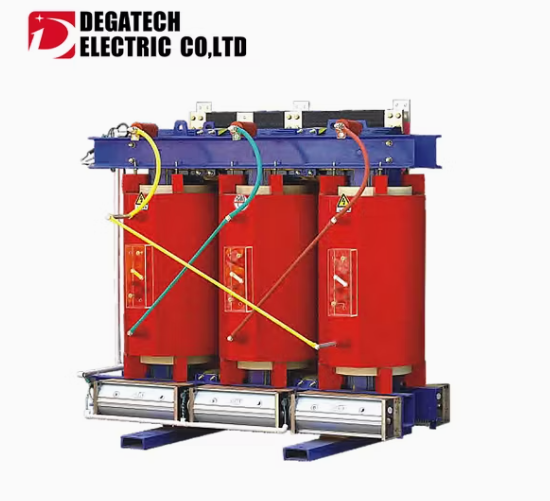
Cast Resin Medium Voltage Transformer
Cast resin transformers use epoxy resin encapsulation around the windings.
Key advantages include:
- Moisture resistance
- High mechanical strength
- Reliable operation in harsh environments
Advantages of Medium Voltage Transformers
Medium voltage transformers offer several benefits for electrical systems.
Efficient Power Distribution
They ensure efficient voltage transformation between transmission and distribution systems.
High Reliability
Medium voltage transformers are designed for continuous operation in demanding environments.
Versatile Applications
They can be used across multiple sectors including industrial, commercial, and utility applications.
Energy Efficiency
Modern transformer designs minimize power losses and improve system efficiency.
Long Service Life
With proper maintenance, medium voltage transformers can operate reliably for decades.
Applications of Medium Voltage Transformers
Medium voltage transformers are widely used across many industries.
Electrical Substations
They regulate voltage levels between high-voltage transmission and local distribution networks.
Industrial Facilities
Manufacturing plants use medium voltage transformers to power:
- Heavy machinery
- Production equipment
- Motor control systems
Commercial Infrastructure
Large commercial buildings require medium voltage transformers to distribute electricity efficiently.
Examples include:
- Shopping centers
- Hospitals
- Airports
- Data centers
Renewable Energy Systems
Medium voltage transformers are essential for connecting renewable energy sources such as:
- Solar farms
- Wind power plants
- Energy storage systems
Maintenance of Medium Voltage Transformers
Routine maintenance ensures long-term reliability and safety.
Common Maintenance Practices
- Insulation resistance testing
- Oil quality analysis (for oil-filled transformers)
- Temperature monitoring
- Cleaning and inspection of cooling systems
- Checking electrical connections
Preventive maintenance helps reduce the risk of unexpected transformer failures.

Comparison: Medium Voltage vs Low Voltage Transformers
| Feature | Medium Voltage Transformer | Low Voltage Transformer |
|---|---|---|
| Voltage Range | 1 kV – 36 kV | Below 1 kV |
| Applications | Substations, industry | Residential, small commercial |
| Power Capacity | High | Lower |
| Cooling Methods | Oil or air | Mostly air |
| Installation | Industrial or utility | Residential or commercial |
Future Trends in Medium Voltage Transformer Technology
Advancements in transformer technology are improving performance and sustainability.
Key developments include:
⚡ Smart monitoring systems
⚡ Eco-friendly insulation materials
⚡ Energy-efficient transformer designs
⚡ Compact transformers for urban infrastructure
⚡ Integration with smart grids
These innovations support modern power distribution systems and renewable energy integration.
Frequently Asked Questions (FAQs)
1. What voltage range is considered medium voltage?
Medium voltage typically ranges from 1 kV to 36 kV, depending on regional standards.
2. What is the purpose of a medium voltage transformer?
Its main purpose is to step up or step down voltage levels within medium voltage power distribution systems.
3. Where are medium voltage transformers used?
They are used in substations, industrial plants, commercial buildings, and renewable energy systems.
4. What are the main types of medium voltage transformers?
Common types include:
- Oil immersed transformers
- Dry type transformers
- Cast resin transformers
5. How long do medium voltage transformers last?
With proper maintenance, they can operate reliably for 25–40 years.
6. What cooling methods are used in medium voltage transformers?
Common cooling methods include:
- Air cooling
- Oil cooling
- Forced air or forced oil systems
Conclusion
A medium voltage transformer is an essential component in modern electrical infrastructure. It ensures efficient voltage conversion between transmission and distribution systems, enabling reliable power delivery across industries and communities.
With advancements in transformer design, insulation materials, and monitoring technologies, medium voltage transformers continue to provide safe, efficient, and sustainable power distribution solutions for the future. ⚡

Switchgear for Manufacturing Plant: Selection & Design Guide
Manufacturing plants depend on stable electrical power to operate production machinery, motors, process equipment, lighting, HVAC, compressed-air systems, material-handling equipment, and other plant services. Switchgear for manufacturing plant applications provides [...]

Learn how to select switchgear for utility applications, including substations, MV distribution, protection, reliability, automation
Utilities depend on electrical networks that must distribute power safely, isolate faults, and support reliable service across substations and distribution feeders. Switchgear for utility applications provides the switching, protection, isolation, [...]

Switchgear for Metro: Selection, Design & Safety Guide
Metro systems depend on reliable electrical infrastructure to keep trains moving and stations operating. Electrical power supports traction systems, station lighting, ventilation, signaling, communications, escalators, elevators, pumps, fire protection, ticketing [...]