

Medium Voltage Transformer: A Complete Guide to Design, Types, Applications, and Selectionv
The following is the table of contents for this article.
Thanks for sharing the article.
Introduction
A medium voltage transformer is a critical component in electrical power systems, designed to transfer electrical energy between circuits while stepping voltage up or down within the medium-voltage range. These transformers are widely used in utility substations, industrial facilities, commercial buildings, renewable energy projects, and power distribution networks to ensure safe, stable, and efficient electricity delivery.
Typically operating at voltage levels from 1 kV to 36 kV (or up to 72.5 kV in some standards), medium voltage transformers bridge the gap between high-voltage transmission systems and low-voltage distribution networks. Their robust design, high efficiency, and long service life make them essential for modern electrical infrastructure.
This guide explores the working principle, construction, types, advantages, applications, maintenance, and selection criteria of medium voltage transformers.
What Is a Medium Voltage Transformer?
A medium voltage transformer is an electrical transformer designed to operate within the medium-voltage range, converting electrical energy between different voltage levels through electromagnetic induction.
Its primary functions include:
- Stepping voltage up or down
- Isolating electrical circuits
- Improving power distribution efficiency
- Reducing transmission losses
- Providing safe voltage levels for downstream equipment
Medium voltage transformers are available in both oil-immersed and dry-type designs to meet various environmental and operational requirements.
Working Principle of a Medium Voltage Transformer
A medium voltage transformer operates according to Faraday’s Law of Electromagnetic Induction.
When alternating current flows through the primary winding:
- An alternating magnetic field is generated in the laminated core.
- The magnetic flux links with the secondary winding.
- A voltage is induced in the secondary winding.
- Electrical energy is transferred without direct electrical contact.
- Heat generated by core and winding losses is dissipated through the cooling system.
This efficient process allows reliable voltage conversion with minimal energy loss.
Main Components of a Medium Voltage Transformer
Transformer Core
Constructed from high-grade laminated silicon steel to minimize core losses and improve efficiency.
Primary and Secondary Windings
Manufactured from copper or aluminum conductors with high-quality insulation materials.
Insulation System
Provides electrical separation between windings and grounded components.
Cooling System
Depending on the transformer type, cooling may use:
- Mineral oil
- Natural ester fluid
- Synthetic ester fluid
- Air
Transformer Tank
Protects internal components in oil-filled transformers.
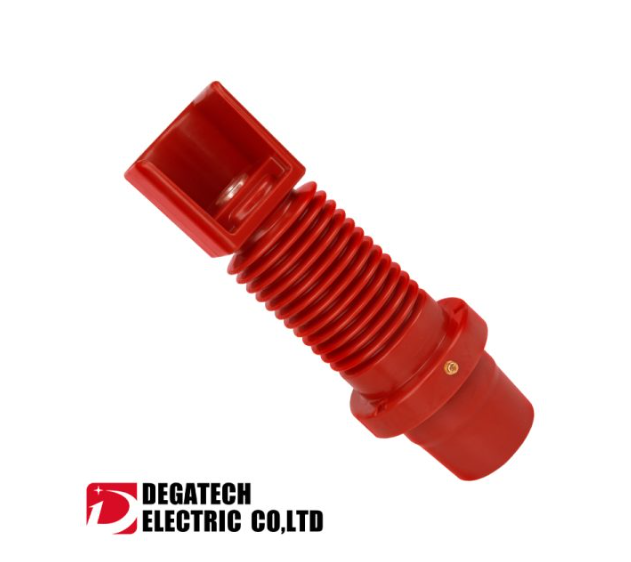
Bushings
Provide insulated electrical connections to external circuits.
Tap Changer
Adjusts output voltage to compensate for voltage fluctuations.
Types of Medium Voltage Transformers
Oil-Immersed Medium Voltage Transformer
Offers excellent cooling performance and is widely used in outdoor substations and industrial installations.
Dry-Type Medium Voltage Transformer
Uses air for cooling, making it suitable for indoor environments where fire safety is important.
Cast Resin Transformer
A type of dry transformer with epoxy resin-encapsulated windings for enhanced insulation and moisture resistance.
Distribution Transformer
Supplies electricity to residential, commercial, and industrial users.
Power Transformer
Designed for larger substations and higher-capacity power systems.
Cooling Methods
Common cooling methods include:
ONAN (Oil Natural Air Natural)
Natural oil circulation and natural air cooling.
ONAF (Oil Natural Air Forced)
Natural oil circulation with forced-air cooling.
AN (Air Natural)
Natural air cooling for dry-type transformers.
AF (Air Forced)
Forced-air cooling for higher-capacity dry transformers.
Medium voltage transformer installed in utility substation
Advantages of Medium Voltage Transformers
High Energy Efficiency
Modern transformer designs minimize no-load and load losses.
Reliable Voltage Regulation
Maintains stable voltage under varying load conditions.
Long Service Life
Typically operates for more than 30 years with proper maintenance.
Excellent Thermal Performance
Efficient cooling systems ensure reliable operation under continuous load.
Flexible Installation
Available for indoor, outdoor, pad-mounted, and pole-mounted installations.
Low Maintenance
Modern designs reduce maintenance requirements and operating costs.
Applications of Medium Voltage Transformers
Medium voltage transformers are widely used across numerous industries.
Utility Power Distribution
Industrial Facilities
- Manufacturing plants
- Mining operations
- Petrochemical facilities
- Steel mills
Commercial Buildings
- Hospitals
- Shopping malls
- Hotels
- Office complexes
- Data centers
Renewable Energy
- Solar power plants
- Wind farms
- Battery energy storage systems
Infrastructure
- Airports
- Railways
- Metro systems
- Water treatment facilities
Oil-Immersed vs Dry-Type Medium Voltage Transformers
| Feature | Oil-Immersed | Dry-Type |
|---|---|---|
| Cooling | Excellent | Good |
| Fire Safety | Moderate | High |
| Outdoor Installation | Excellent | Limited |
| Indoor Installation | Limited | Excellent |
| Maintenance | Moderate | Low |
| Initial Cost | Lower | Higher |
The choice depends on installation location, environmental conditions, and safety requirements.
Typical Technical Specifications
| Parameter | Typical Range |
| Rated Voltage | 1 kV – 36 kV |
| Rated Capacity | 25 kVA – 40 MVA |
| Frequency | 50 Hz / 60 Hz |
| Cooling Methods | ONAN, ONAF, AN, AF |
| Insulation Class | IEC / IEEE Standards |
| Efficiency | Up to 99% |
Specifications vary according to manufacturer and application.
How to Choose a Medium Voltage Transformer
Voltage Rating
Ensure compatibility with the electrical system.
Power Capacity
Select adequate kVA or MVA capacity based on current and future load demand.
Cooling Method
Choose oil-filled or dry-type construction depending on the installation environment.
Installation Conditions
Consider indoor, outdoor, coastal, high-temperature, or industrial environments.
Energy Efficiency
High-efficiency transformers reduce operating costs over their lifecycle.
Standards Compliance
Choose products certified according to recognized international standards.
Manufacturer Experience
Work with a manufacturer that offers advanced production technology, rigorous testing, and comprehensive technical support.
Maintenance Best Practices
Routine maintenance extends transformer lifespan and improves reliability.
Recommended practices include:
- Inspect insulation systems regularly.
- Monitor operating temperatures.
- Test insulating oil (for oil-filled units).
- Clean bushings and cooling surfaces.
- Tighten electrical connections.
- Inspect for leaks or corrosion.
- Perform insulation resistance testing.
- Conduct dissolved gas analysis (DGA) when applicable.
Preventive maintenance helps reduce downtime and unexpected failures.

Medium voltage transformer installed in utility substation
International Standards
Quality medium voltage transformers are typically manufactured according to:
- IEC 60076 Series
- IEEE C57 Series
- IEC 60296 (Transformer Oil)
- IEC 60085 (Thermal Evaluation)
- ISO 9001
- ISO 14001
- ISO 45001
Compliance ensures safety, reliability, and long-term performance.
Future Trends
Eco-Friendly Insulating Fluids
Natural ester oils improve fire safety and environmental sustainability.
Smart Transformers
Integrated monitoring systems enable predictive maintenance and remote diagnostics.
Higher Energy Efficiency
Advanced magnetic core materials reduce energy losses.
Compact Designs
Manufacturers continue developing smaller and lighter transformer solutions.
Renewable Energy Integration
The expansion of renewable energy projects continues driving demand for medium voltage transformers.
Frequently Asked Questions
What is a medium voltage transformer?
A medium voltage transformer transfers electrical energy between circuits while operating within the medium-voltage range, typically from 1 kV to 36 kV.
Where are medium voltage transformers used?
They are widely used in utility substations, industrial plants, commercial buildings, renewable energy facilities, and power distribution networks.
What is the difference between oil-filled and dry-type medium voltage transformers?
Oil-filled transformers offer better cooling and are commonly used outdoors, while dry-type transformers provide improved fire safety for indoor installations.
How long does a medium voltage transformer last?
With proper installation and maintenance, a medium voltage transformer can operate reliably for 30 years or more.
What standards apply to medium voltage transformers?
Leading manufacturers typically comply with IEC 60076, IEEE C57, ISO 9001, ISO 14001, and ISO 45001 standards.
How do I choose the right medium voltage transformer?
Consider voltage rating, power capacity, cooling method, installation environment, efficiency, standards compliance, and the manufacturer’s technical expertise.
Conclusion
A medium voltage transformer is an essential part of modern electrical infrastructure, ensuring efficient and reliable voltage conversion for power distribution systems. Whether used in substations, industrial facilities, renewable energy plants, or commercial buildings, these transformers provide high efficiency, dependable performance, and long operational life.
As power networks continue to evolve toward smarter, greener, and more efficient systems, medium voltage transformers will remain a key technology supporting stable and sustainable electricity distribution worldwide.

Wind Substation Equipment: Types, Functions, and Selection Guide
Wind substation equipment plays a critical role in collecting, transforming, protecting, and transmitting electricity generated by wind turbines. From medium-voltage (MV) switchgear and power transformers to high-voltage (HV) equipment, protection [...]

Solar Farm Switchgear: Selection, Design, and Application Guide
Solar farm switchgear is an essential part of the electrical infrastructure used to collect, control, protect, and distribute power generated by photovoltaic (PV) systems. From inverter output circuits and transformer [...]

Future-Proof Switchgear: Design, Selection, and Long-Term Reliability
Future-proof switchgear is designed and selected to accommodate changing electrical loads, evolving technologies, operational requirements, and future expansion with minimal disruption. For industrial facilities, commercial buildings, utilities, renewable energy projects, [...]