

Gas Insulated Switchgear: 15 Powerful Benefits, Working Principles, and Applications in Modern Power Systems
The following is the table of contents for this article.
Thanks for sharing the article.
Table of Contents (Outline)
| Heading Level | Section Title |
|---|---|
| H1 | Gas Insulated Switchgear: 15 Powerful Benefits, Working Principles, and Applications |
| H2 | Introduction to Gas Insulated Switchgear |
| H2 | History and Evolution of Gas Insulated Switchgear |
| H2 | What is Gas Insulated Switchgear and How It Works |
| H3 | Basic Operating Principle |
| H3 | Role of Insulating Gas |
| H2 | Major Components of Gas Insulated Switchgear |
| H3 | Circuit Breaker |
| H3 | Disconnect Switch |
| H3 | Earthing Switch |
| H3 | Busbars |
| H3 | Current and Voltage Transformers |
| H2 | Types of Gas Insulated Switchgear |
| H3 | High Voltage GIS |
| H3 | Medium Voltage GIS |
| H3 | Hybrid GIS Systems |
| H2 | Advantages of Gas Insulated Switchgear |
| H2 | Disadvantages of Gas Insulated Switchgear |
| H2 | Applications of Gas Insulated Switchgear |
| H3 | Power Generation Plants |
| H3 | Urban Substations |
| H3 | Industrial Facilities |
| H3 | Renewable Energy Systems |
| H2 | Gas Insulated Switchgear vs Air Insulated Switchgear |
| H2 | Environmental Impact and SF6 Gas Concerns |
| H2 | Installation and Maintenance of Gas Insulated Switchgear |
| H2 | Future Trends in Gas Insulated Switchgear Technology |
| H2 | Frequently Asked Questions (FAQs) |
| H2 | Conclusion |
Gas Insulated Switchgear: 15 Powerful Benefits, Working Principles, and Applications in Modern Power Systems ⚡
Introduction to Gas Insulated Switchgear
Gas insulated switchgear has become a vital component in modern electrical power systems. As power demand increases and urban areas become more densely populated, the need for compact, reliable, and efficient electrical infrastructure has grown rapidly.
Gas insulated switchgear provides a highly efficient solution for managing high-voltage electricity in limited spaces. Unlike conventional air-insulated systems, gas insulated switchgear uses insulating gas to protect electrical components from environmental factors such as dust, humidity, and contamination.
Because of its compact structure and high reliability, gas insulated switchgear is widely used in power substations, industrial plants, and renewable energy installations. Its sealed design ensures stable operation and reduces maintenance requirements, making it ideal for critical electrical networks.
History and Evolution of Gas Insulated Switchgear
The development of gas insulated switchgear began in the 1960s, when engineers started searching for more compact alternatives to traditional switchgear systems. Early electrical substations required large spaces because they relied on air insulation.
With the discovery of the excellent insulating properties of sulfur hexafluoride (SF₆) gas, engineers developed enclosed switchgear systems that could operate safely in much smaller areas.
Over the decades, gas insulated switchgear technology has improved significantly. Modern systems now include digital monitoring, advanced safety mechanisms, and environmentally friendly insulating gas alternatives.
What is Gas Insulated Switchgear and How It Works
Gas insulated switchgear is a metal-enclosed electrical switchgear system that uses insulating gas to provide electrical insulation and arc extinguishing capabilities.
All critical components are sealed inside grounded metal compartments filled with insulating gas. This design protects the system from environmental contamination and ensures stable operation.
Basic Operating Principle
The operating principle of gas insulated switchgear is based on gas insulation and arc interruption. The insulating gas provides high dielectric strength, which prevents electrical breakdown between conductive components.
When a fault occurs, the circuit breaker opens its contacts and interrupts the current flow. The insulating gas quickly extinguishes the arc generated during this process, preventing damage to the system.
Role of Insulating Gas
The insulating gas plays several important roles in gas insulated switchgear:
- Provides excellent electrical insulation
- Suppresses electrical arcs
- Maintains system stability under high voltage
- Protects internal components from contamination
Because of these properties, gas insulated switchgear can operate safely at high voltages in compact spaces.
Major Components of Gas Insulated Switchgear
Gas insulated switchgear contains several essential components that work together to control and protect electrical power systems.
Circuit Breaker
The circuit breaker is responsible for interrupting electrical current during faults or overload conditions. In gas insulated switchgear, the circuit breaker uses insulating gas to extinguish the arc produced during switching operations.
Disconnect Switch
Disconnect switches isolate sections of the electrical network for maintenance. They ensure that maintenance personnel can work safely without exposure to live electrical parts.
Earthing Switch
The earthing switch connects isolated parts of the system to the ground. This ensures that any residual electrical charge is safely discharged.
Busbars
Busbars distribute electrical power between different sections of the switchgear system. They act as conductive pathways that carry high currents within the system.
Current and Voltage Transformers
These transformers measure electrical parameters such as current and voltage. The data is used by protection and monitoring systems to ensure safe operation.
Types of Gas Insulated Switchgear
Gas insulated switchgear is available in several configurations depending on the voltage level and application.
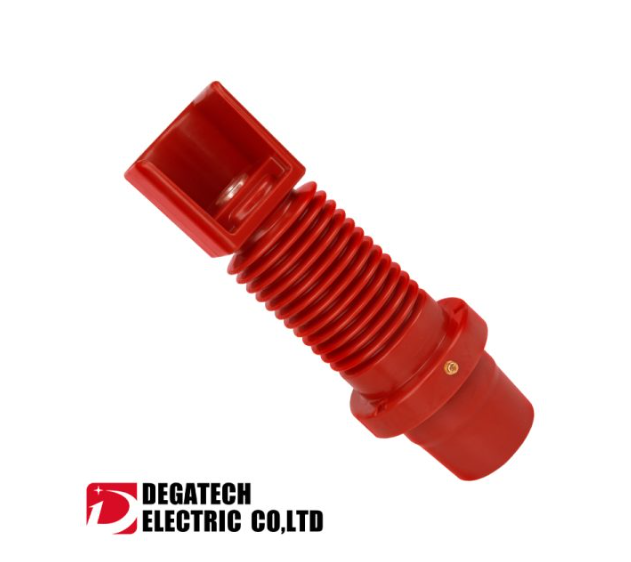
High Voltage GIS
High voltage gas insulated switchgear is typically used in transmission substations operating above 72.5 kV. These systems handle large amounts of electrical power and ensure reliable transmission across long distances.
Medium Voltage GIS
Medium voltage gas insulated switchgear is commonly used in industrial facilities, commercial buildings, and distribution networks.
Hybrid GIS Systems
Hybrid switchgear combines features of both gas insulated switchgear and air insulated switchgear. This design balances cost efficiency with performance.
Advantages of Gas Insulated Switchgear
Gas insulated switchgear offers numerous advantages compared to conventional switchgear systems.
Compact Design
One of the biggest benefits of gas insulated switchgear is its space-saving design. It can require up to 90% less space than air insulated switchgear.
High Reliability
The sealed structure protects internal components from environmental factors such as dust, moisture, and pollution.
Improved Safety
Gas insulated switchgear reduces the risk of electrical faults and arc flash accidents.
Low Maintenance
Because the system is sealed, maintenance requirements are significantly reduced.
Long Service Life
Most gas insulated switchgear systems can operate reliably for 30 to 50 years with minimal maintenance.
Disadvantages of Gas Insulated Switchgear
Despite its many benefits, gas insulated switchgear also has some limitations.
- Higher initial installation cost
- Requires specialized installation equipment
- Gas leakage must be carefully monitored
- Environmental concerns related to SF₆ gas
However, technological improvements are helping reduce these challenges.
Applications of Gas Insulated Switchgear
Gas insulated switchgear is widely used in many industries and power systems.
Power Generation Plants
Power plants use gas insulated switchgear to manage electricity produced by turbines and generators.
Urban Substations
In densely populated cities, gas insulated switchgear allows substations to be installed in small indoor spaces or underground facilities.
Industrial Facilities
Large manufacturing plants rely on gas insulated switchgear to provide stable and reliable power distribution.
Renewable Energy Systems
Wind farms and solar power plants use gas insulated switchgear to integrate renewable electricity into the grid.
Gas Insulated Switchgear vs Air Insulated Switchgear
| Feature | Gas Insulated Switchgear | Air Insulated Switchgear |
|---|---|---|
| Space Requirement | Very compact | Large space required |
| Environmental Protection | Fully sealed | Open to environment |
| Installation Cost | Higher | Lower |
| Reliability | Very high | Moderate |
| Maintenance | Low | Higher |
Environmental Impact and SF6 Gas Concerns
While SF₆ gas provides excellent insulation, it is also a powerful greenhouse gas. Because of this, power utilities are working to reduce emissions and develop alternative insulating gases.
Many manufacturers are now developing SF₆-free gas insulated switchgear technologies that maintain performance while reducing environmental impact.
You can learn more about electrical switchgear technologies from the International Energy Agency:
https://chinadegatech.com/
Installation and Maintenance of Gas Insulated Switchgear
Proper installation and maintenance are essential to ensure safe operation.
Installation Requirements
- Controlled installation environment
- Gas pressure testing
- Electrical insulation testing
- Professional commissioning
Maintenance Practices
- Periodic gas pressure monitoring
- Electrical performance testing
- Inspection of switching mechanisms
Modern systems often include digital monitoring systems that enable predictive maintenance.

Future Trends in Gas Insulated Switchgear Technology
The future of gas insulated switchgear is being shaped by several emerging technologies.
Key trends include:
- SF₆-free insulation gases
- Smart digital switchgear systems
- Integration with smart grids
- Modular and compact designs
- Remote monitoring and automation
These innovations will help improve reliability, efficiency, and environmental sustainability.
Frequently Asked Questions (FAQs)
1. What is gas insulated switchgear used for?
Gas insulated switchgear is used to control, protect, and isolate electrical equipment in power transmission and distribution systems.
2. Why is SF6 gas used in gas insulated switchgear?
SF₆ gas has excellent electrical insulation properties and can quickly extinguish electrical arcs during switching operations.
3. Is gas insulated switchgear safe?
Yes. Gas insulated switchgear is designed with sealed compartments and multiple safety mechanisms to ensure safe operation.
4. How long does gas insulated switchgear last?
Most gas insulated switchgear systems have a lifespan of 30 to 50 years with proper maintenance.
5. What is the difference between GIS and AIS?
GIS uses insulating gas and sealed compartments, while AIS relies on air insulation and requires more space.
6. Can gas insulated switchgear be installed indoors?
Yes. One major advantage of gas insulated switchgear is that it can be installed indoors or underground.
Conclusion
Gas insulated switchgear has revolutionized modern electrical power systems by offering compact, reliable, and safe solutions for high-voltage electricity management. Its sealed design protects internal components from environmental damage, while its advanced insulation system ensures stable performance even under extreme electrical stress.
Although environmental concerns about insulating gases remain, ongoing innovations are making gas insulated switchgear more sustainable and efficient. As global electricity demand continues to grow, this technology will remain a critical part of modern power infrastructure.

Wind Substation Equipment: Types, Functions, and Selection Guide
Wind substation equipment plays a critical role in collecting, transforming, protecting, and transmitting electricity generated by wind turbines. From medium-voltage (MV) switchgear and power transformers to high-voltage (HV) equipment, protection [...]

Solar Farm Switchgear: Selection, Design, and Application Guide
Solar farm switchgear is an essential part of the electrical infrastructure used to collect, control, protect, and distribute power generated by photovoltaic (PV) systems. From inverter output circuits and transformer [...]

Future-Proof Switchgear: Design, Selection, and Long-Term Reliability
Future-proof switchgear is designed and selected to accommodate changing electrical loads, evolving technologies, operational requirements, and future expansion with minimal disruption. For industrial facilities, commercial buildings, utilities, renewable energy projects, [...]