

Epoxy Resin Bushing Manufacturer: 11 Powerful Benefits for Reliable Electrical Insulation
The following is the table of contents for this article.
Thanks for sharing the article.
Article Outline
| Heading Level | Topic |
|---|---|
| H1 | Epoxy Resin Bushing Manufacturer |
| H2 | Introduction to Epoxy Resin Bushings |
| H3 | What Is an Epoxy Resin Bushing |
| H3 | Role of a Manufacturer |
| H2 | Materials Used in Epoxy Resin Bushings |
| H3 | Properties of Epoxy Resin |
| H3 | Conductive and Insulating Components |
| H2 | Manufacturing Process of Epoxy Resin Bushings |
| H3 | Casting and Molding |
| H3 | Curing and Finishing |
| H3 | Quality Testing |
| H2 | Types of Epoxy Resin Bushings |
| H3 | Indoor Bushings |
| H3 | Outdoor Bushings |
| H3 | Transformer and Switchgear Bushings |
| H2 | Advantages of Epoxy Resin Bushings |
| H3 | High Insulation Strength |
| H3 | Mechanical Durability |
| H3 | Environmental Resistance |
| H2 | Applications of Epoxy Resin Bushings |
| H3 | Switchgear Systems |
| H3 | Transformers |
| H3 | Renewable Energy Systems |
| H2 | How to Choose an Epoxy Resin Bushing Manufacturer |
| H3 | Quality Standards and Certifications |
| H3 | Manufacturing Capabilities |
| H3 | Customization and Support |
| H2 | Future Trends in Epoxy Insulation Technology |
| H2 | Frequently Asked Questions |
| H2 | Conclusion |
Epoxy Resin Bushing Manufacturer: Complete Guide to High-Performance Electrical Insulation
An epoxy resin bushing manufacturer plays a critical role in the electrical power industry by producing high-quality insulation components used in switchgear, transformers, and other high-voltage equipment. These bushings ensure safe electrical conduction through grounded barriers while maintaining strong insulation properties.
At the core of this technology is the Epoxy Resin Bushing, which provides excellent dielectric strength, mechanical durability, and environmental resistance. As modern power systems demand higher efficiency and reliability, epoxy resin bushings have become an essential component in electrical infrastructure.
Introduction to Epoxy Resin Bushings
Epoxy resin bushings are widely used in medium and high-voltage electrical systems.
What Is an Epoxy Resin Bushing
An Epoxy Resin Bushing is an insulating device that allows electrical conductors to pass safely through grounded enclosures such as transformers or switchgear.
Key characteristics include:
- High dielectric strength
- Strong mechanical properties
- Resistance to moisture and chemicals
- Compact and lightweight design
Role of a Manufacturer
An epoxy resin bushing manufacturer is responsible for:
- Designing insulation solutions
- Producing high-quality bushings
- Conducting rigorous testing
- Ensuring compliance with industry standards
Reliable manufacturers ensure consistent product performance and long-term system safety.
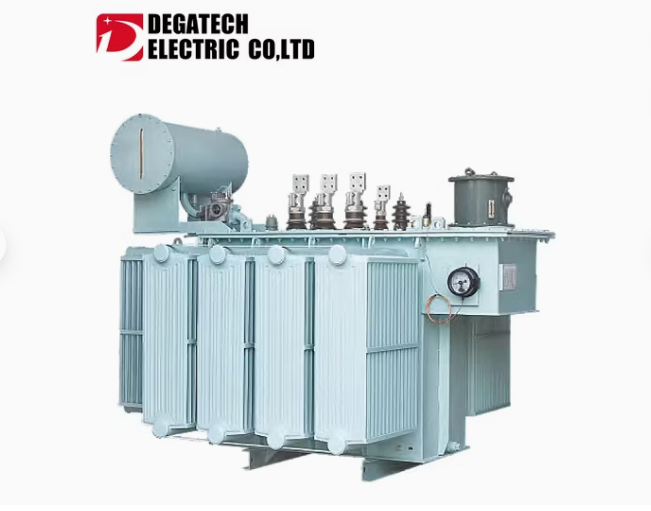
Materials Used in Epoxy Resin Bushings
The performance of epoxy resin bushings depends on the materials used.
Properties of Epoxy Resin
Epoxy resin is widely used due to its excellent insulation and mechanical properties.
Key properties include:
- High electrical insulation strength
- Excellent thermal stability
- Resistance to environmental conditions
- Strong adhesion and durability
Conductive and Insulating Components
In addition to epoxy resin, bushings include:
- Copper or aluminum conductors
- Reinforcement materials such as fiberglass
- Insulating fillers to improve performance
These materials work together to provide reliable insulation and conductivity.
Manufacturing Process of Epoxy Resin Bushings ⚙️
The production of epoxy resin bushings involves several precise steps.
Casting and Molding
The epoxy resin is poured into molds containing embedded conductors and reinforcement materials.
Curing and Finishing
The molded components are cured under controlled temperature conditions to achieve optimal strength and insulation properties.
Quality Testing
Manufacturers perform rigorous tests, including:
- Dielectric strength testing
- Partial discharge testing
- Mechanical strength testing
These tests ensure product reliability and compliance with standards.
Types of Epoxy Resin Bushings
Manufacturers offer different types of bushings for various applications.
Indoor Bushings
Designed for use in indoor switchgear and electrical panels.
Outdoor Bushings
Engineered to withstand environmental conditions such as rain, UV radiation, and temperature fluctuations.
Transformer and Switchgear Bushings
Used in:
- Power transformers
- Distribution transformers
- Medium voltage switchgear
Advantages of Epoxy Resin Bushings 🌟
Epoxy resin bushings offer several benefits over traditional insulation systems.
High Insulation Strength
They provide excellent dielectric properties, ensuring safe operation.
Mechanical Durability
Epoxy resin bushings are strong and resistant to mechanical stress.
Environmental Resistance
They are resistant to moisture, chemicals, and temperature variations.
Applications of Epoxy Resin Bushings 🏭
Epoxy resin bushings are widely used in electrical systems.
Switchgear Systems
They provide insulation for conductors passing through switchgear enclosures.
Transformers
Used in both power and distribution transformers for insulation and current conduction.
Renewable Energy Systems
Applications include:
- Solar power installations
- Wind energy systems
- Smart grid infrastructure
How to Choose an Epoxy Resin Bushing Manufacturer 🔍
Selecting the right manufacturer is essential for ensuring product quality.
Quality Standards and Certifications
Look for compliance with:
- IEC standards
- ISO certifications
- Industry-specific requirements
Manufacturing Capabilities
Choose manufacturers with:
- Advanced production facilities
- Modern testing equipment
- Experienced engineering teams

Customization and Support
Reliable manufacturers offer:
- Customized designs
- Technical assistance
- After-sales support
Future Trends in Epoxy Insulation Technology 🚀
The epoxy insulation industry is evolving with new innovations.
Eco-Friendly Materials
Manufacturers are developing sustainable and environmentally friendly epoxy formulations.
Smart Monitoring Systems
Integration with sensors allows real-time monitoring of insulation performance.
Improved Thermal Performance
Advanced materials enhance heat resistance and efficiency.
Compact Designs
New designs enable smaller and more efficient electrical equipment.
Frequently Asked Questions
What does an epoxy resin bushing manufacturer do?
They design, produce, and supply insulation components used in electrical systems.
What are epoxy resin bushings used for?
They provide insulation and allow conductors to pass through grounded enclosures.
Are epoxy resin bushings suitable for outdoor use?
Yes, outdoor bushings are designed to withstand environmental conditions.
What industries use epoxy resin bushings?
Industries include power generation, transmission, distribution, and renewable energy.
How long do epoxy resin bushings last?
They have a long service life when properly maintained.
Why choose epoxy resin over other materials?
Epoxy resin offers excellent insulation, durability, and environmental resistance.
Conclusion
An epoxy resin bushing manufacturer plays a vital role in delivering reliable insulation components for modern electrical systems. By producing high-quality Epoxy Resin Bushing solutions, manufacturers ensure safe and efficient power transmission and distribution.
With advancements in materials and technology, epoxy resin bushings will continue to support the growing demands of modern power infrastructure, offering improved performance, durability, and sustainability. ⚡

Wind Substation Equipment: Types, Functions, and Selection Guide
Wind substation equipment plays a critical role in collecting, transforming, protecting, and transmitting electricity generated by wind turbines. From medium-voltage (MV) switchgear and power transformers to high-voltage (HV) equipment, protection [...]

Solar Farm Switchgear: Selection, Design, and Application Guide
Solar farm switchgear is an essential part of the electrical infrastructure used to collect, control, protect, and distribute power generated by photovoltaic (PV) systems. From inverter output circuits and transformer [...]

Future-Proof Switchgear: Design, Selection, and Long-Term Reliability
Future-proof switchgear is designed and selected to accommodate changing electrical loads, evolving technologies, operational requirements, and future expansion with minimal disruption. For industrial facilities, commercial buildings, utilities, renewable energy projects, [...]